
This article originally appeared in Seafood Source. Written by Emma Prairie.
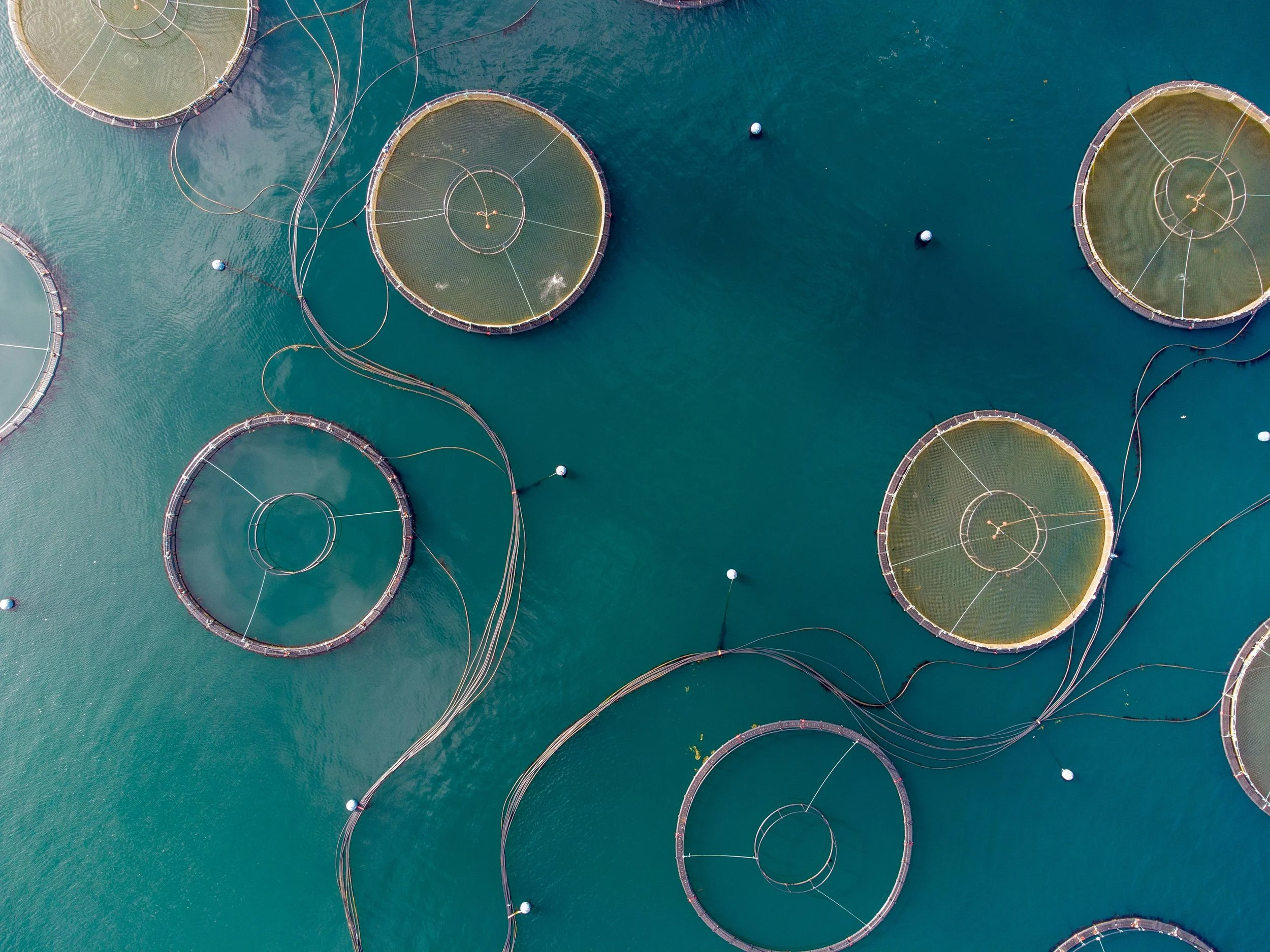
Norwegian research organization SINTEF has released a report finding that nylon aquaculture nets release five times more microplastics than nets made from other materials.
The release of most microplastics into the marine environment is commonly believed to come from land-based sources, but according to SINTEF, fisheries and aquaculture farms are becoming increasingly reliant on plastic equipment and infrastructure, introducing microplastics directly into ocean waters and contributing both to environmental and seafood contamination.
“I’m not sure the aquaculture industry, or anyone else for that matter, really had any idea about their relative contribution to microplastic emissions,” SINTEF Ocean Chief Scientist Andy Booth, who was the report’s lead author, said.
Up to 75 percent of submerged infrastructure on typical aquaculture farms are nets, with additional pieces of equipment including feeding pipes, ropes, and polyethylene components such as floating collars and sinker tubes.
The study found that while nylon may be the most convenient material operationally, it yields the highest release of microplastics. Ultra-high-molecular-weight polyethylene (UHMWPE) nets released the least number of microplastics, according to the research, and nets made with high-density polyethylene (HDPE) varied.
“I think it is realistic to see some shift away from nylon, especially if alternative materials offer an incentive to operators. These incentives may include a desire to try and reduce microplastic emissions, but I think, realistically, it would also need performance-related factors to also be beneficial. The main thing is that everything we tested is currently available on the market already and, in some cases, already being used at specific farms,” Booth said.
Some aquaculture operations, including oyster farms in the U.S. state of Maine, have transitioned to plastic-free gear. North Haven Oyster Company is one such farm, and in lieu of plastic mesh bags, the company implemented cedar crates made from local native timber. According to North Haven Owner Adam Campbell, the firm’s oysters grew bigger in less time, and mortality rates dropped off to zero with the new gear, compared to the typical 10 percent annual loss.
“We had zero mortality on that oyster seed, and this was the first year we're 100 percent plastic-free. I've never seen that before. In the plastic bags, you always had mortality. I believe it is the off-gassing of the plastic that's killing the baby oysters,” Campbell said earlier this year.
Still, many aquaculture operations heavily rely on plastic materials and widely use coatings on nets and ropes to help increase the lifespan of these materials in harsh marine environments. These coatings – commonly wax, resin, or acrylic-based – can either contribute directly to the release of microplastics or degrade over time, according to SINTEF, exposing the underlying polymer to the environment and shedding microplastics.
Again, nylon had the greatest release of microplastics when coated, particularly with premium coatings, suggesting potentially poor adhesion that results in a high release of microplastics. UHMWPE and HDPE materials had no significant increase in microplastics regardless of whether coatings were present.
Nets and ropes on a farm must also be cleaned frequently, and traditional cleaning methods involve the use of pressured water jets. According to the study, this method can accelerate the release of microplastics.
Two emerging cleaning methods – cavitation-based cleaning, which involves the use of air bubbles, and brush-based grooming – are being explored to improve net lifespans and reduce material wear. According to the research, these less abrasive approaches have also shown promise in lowering microplastic release compared to traditional cleaning practices.
“Again, I think there are multiple factors at play here. Many farms hire external companies to do the cleaning, so it will depend on what technologies are available to each specific farm,” Booth said. “As more data becomes available on the different cleaning techniques, we will also get a clearer picture of what is viable. Ultimately, operators want their investment in infrastructure to last as long as possible. If less abrasive cleaning technologies extend the lifespan of a net, that would be an attractive option for an operator. An added advantage is that lower abrasion not only protects the net but will also most likely reduce the amount of microplastics being emitted during each cleaning event.”
Other findings unveiled in the research included the fact that used and recycled plastic nets appeared to release more microplastics than new nets and ropes, but the study cautioned that a larger sample size is required to confirm this.
SINTEF stressed the importance of choosing robust materials, using compatible coatings, and reducing abrasive cleaning methods to limit the release of microplastics into the environment.
“It makes sense for each source of microplastics (e.g., aquaculture) to look at their own practices and see how they can be better rather than trying to compare with other industries or sources. I think that this report will form part of a growing knowledge and decision-making base that reinforces gear as one of multiple action points for reducing microplastic emissions,” Booth said.